Lipo Sculpt Staffordshire· Non-surgical aesthetics

Dermatofibroma Treatment Staffordshire

Have you noticed a small, firm bump on your arm or leg that seems to have been there for ages? It may not hurt, but perhaps it catches when you shave, feels uncomfortable when knocked, or simply bothers you when you look at your skin.

One possible cause is a dermatofibroma. These bumps are usually harmless, but it is important to get an unfamiliar skin lump checked before considering cosmetic treatment. If you are exploring dermatofibroma removal, here is what to know about the options, including cryotherapy, and the possible downsides.

Are you looking for ways to deal with Dermatofibroma Staffordshire?

Start with a conversation.

Understand your options before deciding on treatment.

Consultation first

Time to discuss suitability and ask questions.

Understand Your Options

Treatment depends on the diagnosis, the location and nature of the lesion, and the advice of an appropriately qualified healthcare professional.

Enquiries About Our Services

Contact us to discuss our services, availability and suitability requirements.

What Is a Dermatofibroma?

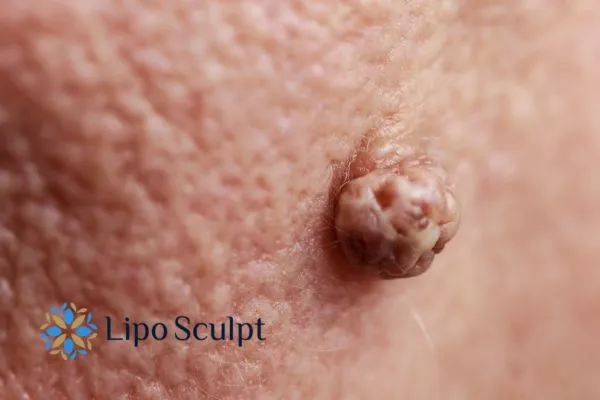
A dermatofibroma Staffordshire is a common, non-cancerous growth made up of fibrous tissue in the deeper layer of the skin. It often appears on the lower legs or arms and may develop after a minor injury, insect bite or skin prick, although the exact cause is not always clear.

It can look pink, reddish-brown, dark brown, purple or grey. The bump is usually firm, and a small dimple may appear in the skin when it is gently pinched.

Most dermatofibromas do not cause problems. Some may itch, feel tender or bleed if repeatedly knocked or caught during shaving.

Appearance alone cannot confirm the diagnosis. If a lump is new, changing or has not been assessed, seek advice from a GP or an appropriately qualified healthcare professional before arranging cosmetic treatment. [1]

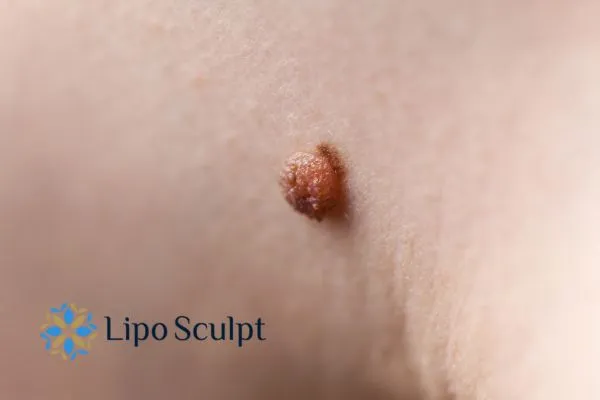
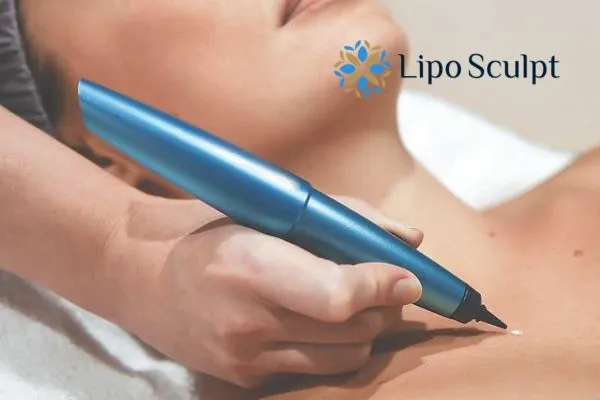
Cryotherapy uses extreme cold to freeze targeted skin tissue. However, dermatofibromas Staffordshire develop in the deeper layers of the skin, so treating one is not as straightforward as removing a superficial skin mark.

Cryotherapy may be considered for selected lesions, but the result depends on the individual case. There is limited evidence to establish how effective a CryoPen specifically is for dermatofibromas, so complete removal should never be promised.

A lesion may remain partly visible, return after treatment or develop a noticeable mark. For some people, leaving a confirmed, harmless dermatofibroma Staffordshire alone may be the most sensible option.

Other approaches can include surgical excision, particularly where the diagnosis is uncertain or removal is considered appropriate. Excision leaves a scar but allows tissue to be examined under a microscope when needed. The best option depends on the diagnosis, symptoms, location and potential cosmetic outcome. [1][2]

Can CryoPen Remove a Dermatofibroma?

Dermatofibromas: What to Know About Treatment Options

What Happens During Treatment and Recovery?

Speak to our team today about how to cope with your Dermatofibroma Staffordshire effectively.

The first step should be establishing whether the lump has been properly assessed and whether treatment is appropriate. If there is any uncertainty about its nature, medical assessment should come before cosmetic removal.

If a qualified practitioner determines that a procedure is suitable, they should explain what it involves, the likely discomfort, aftercare and possible complications before you decide whether to proceed.

Following cryotherapy, the area may become red, swollen, tender or blistered. A crust or scab can form as the skin heals. Recovery varies depending on the site and the depth of freezing.

Follow the practitioner’s aftercare instructions, keep the area clean as advised, and do not pick at blisters or scabs. Contact a healthcare professional if you develop increasing pain, spreading redness, pus or other signs of infection. [3]

What Results and Risks Should You Consider?

Treatment outcomes vary from person to person, so the bump may remain partly visible and the skin may not return to its original appearance.

Possible outcomes include:

  • A scar or a pale mark.
  • Skin becoming lighter or darker.
  • Blistering, tenderness or swelling during healing.
  • Incomplete removal or recurrence.

These risks matter when deciding whether treatment is worthwhile, particularly if the original bump is small and causes no symptoms. Cryotherapy can leave scarring, and a dermatofibroma Staffordshire may recur after treatment. [1][3]

At Lipo Sculpt, information about cosmetic options should not replace medical diagnosis. Before considering a procedure, make sure you understand the available options and whether the practitioner is appropriately qualified to provide the proposed treatment.

When Should You Get a Skin Lump Checked?

Arrange medical assessment before considering cosmetic treatment if a lump is new, growing, changing colour or shape, bleeding, ulcerated, persistently painful or itchy, or has never been diagnosed.

These signs do not automatically mean that a lump is cancerous. They do mean it should be assessed rather than treated purely for appearance. A healthcare professional can decide whether further examination, dermoscopy or a biopsy is needed.

The safest next step is a confirmed diagnosis, followed by an informed decision about whether removal is necessary at all.

Book a consultation for your Dermatofibroma today!

Your questions, answered

Frequently Asked Questions Staffordshire

These answers offer a starting point. Your consultation provides information specific to the treatment and your circumstances.

Dermatofibromas are usually benign. However, a new or unexplained lump should be assessed because other skin conditions can look similar.

No. Most do not require treatment once the diagnosis is confirmed, unless symptoms or other concerns make treatment appropriate.

There is no guarantee of complete or permanent removal. The lesion may remain visible or recur, and evidence specific to CryoPen for this condition is limited.

You may feel cold, stinging or discomfort during treatment, followed by tenderness. The experience varies with the treatment area and depth of freezing.

Cryotherapy does not always leave the skin unchanged; scarring and colour changes can occur. Surgical excision also results in a scar.

It is not advisable. Seek assessment first so that a potentially concerning lesion is not mistaken for a harmless dermatofibroma.

Neither option is best for everyone. The decision depends on the diagnosis, lesion depth, symptoms, possible scarring and whether a tissue sample is needed.

References

  1. British Association of Dermatologists, Dermatofibroma (also known as histiocytoma).
  2. StatPearls, Dermatofibroma.
  3. British Association of Dermatologists, Cryotherapy.

This page is for general information only and does not replace professional medical advice or care.